

Genocide scholar says group pushed through Israel condemnation without debate
Researcher Sara Brown charges International Association of Genocide Scholars with lack of transparency; group says vote was held in accordance with bylaws and standard procedure
Luke Tress is The Times of Israel's New York correspondent.
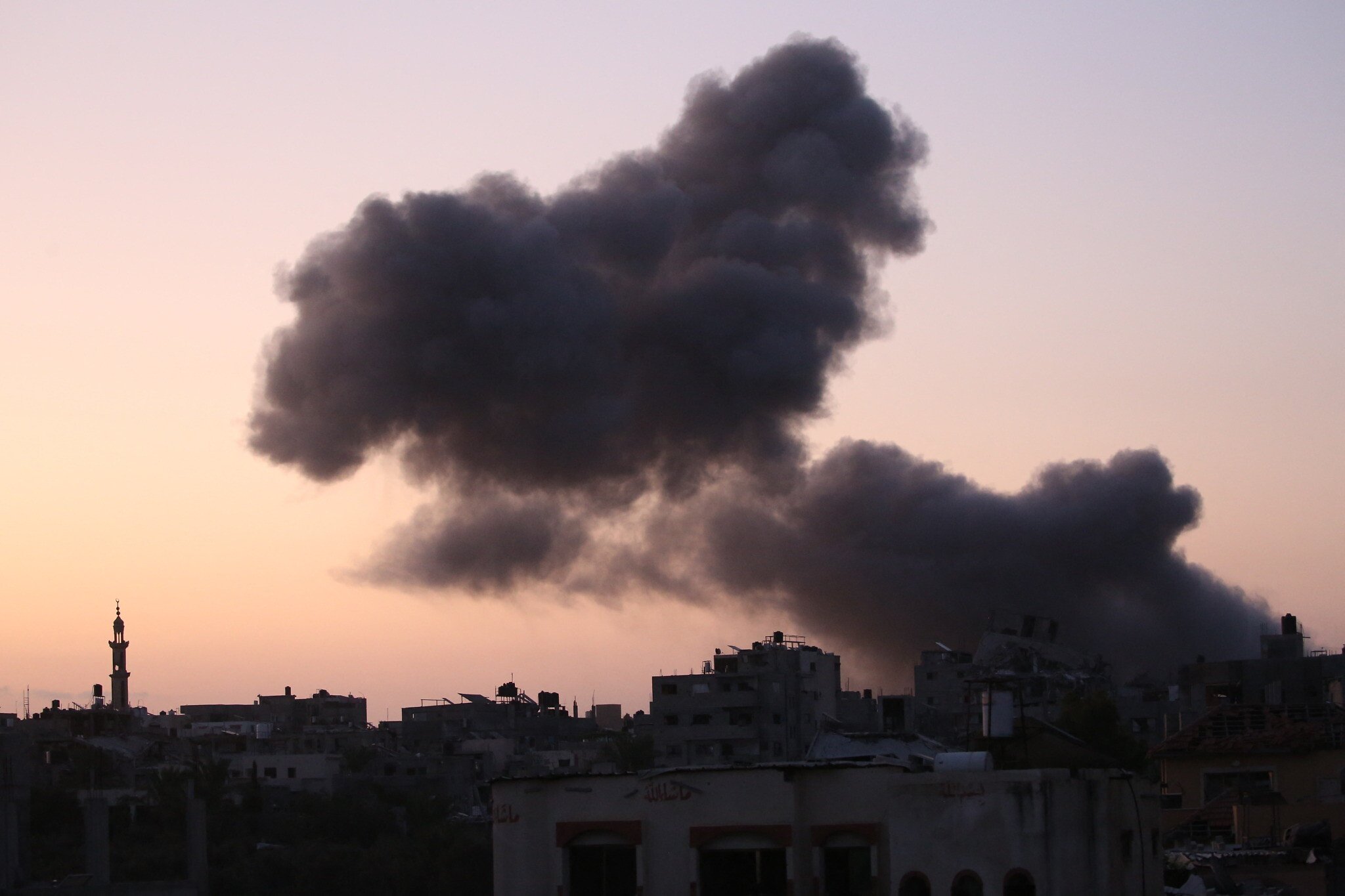
A member of the International Association for Genocide Scholars said on Monday that the group pushed through a resolution accusing Israel of genocide without holding a debate, as is its standard practice.
The association disputed the account of the resolution, saying the vote had been held in accordance with its standard procedures and bylaws.
Sara Brown, a genocide scholar, said she has been a member of the association for more than 10 years and was on the association’s advisory board for two, four-year terms. Brown also serves as the American Jewish Committee’s regional director in San Diego.
She said the association typically discusses controversial resolutions in a virtual town hall that allows members to discuss the measures. For the Israel resolution, the association’s leadership declined to hold a discussion, she said.
“The content of the resolution and the way it was forced through speak to an embarrassing absence of professionalism,” she said. Among her qualms with the resolution are that it cites organizations that have reinterpreted the definition of genocide so that it applies to Israel, such as Amnesty International. The group also cited UN special investigator for the Palestinians Francesca Albanese, who has a history of antisemitism and extremist rhetoric, such as denying Israel’s right to self defense.
Emails shared with The Times of Israel showed that the association’s leadership in late July said there would be a town hall discussion to discuss the Israel resolution, “as with previous resolutions,” but backtracked days later, citing a vote by the association’s executive board.
The association also did not allow dissenting opinions to be published on its list serve, saying the list serve was not a forum for such discussions, and declined to release the names of the members who drafted the resolution, the emails showed.
Brown said only 129 association members voted on the resolution out of an estimated membership of around 500. The association’s membership was informed ahead of time about the vote, but many chose not to weigh in, likely because they did not feel qualified to address the issue, Brown said.
“That favors those activists who are seeking to advance a false narrative about Israel,” Brown said. “It wasn’t rushed, it was just forced through without the usual transparency.”
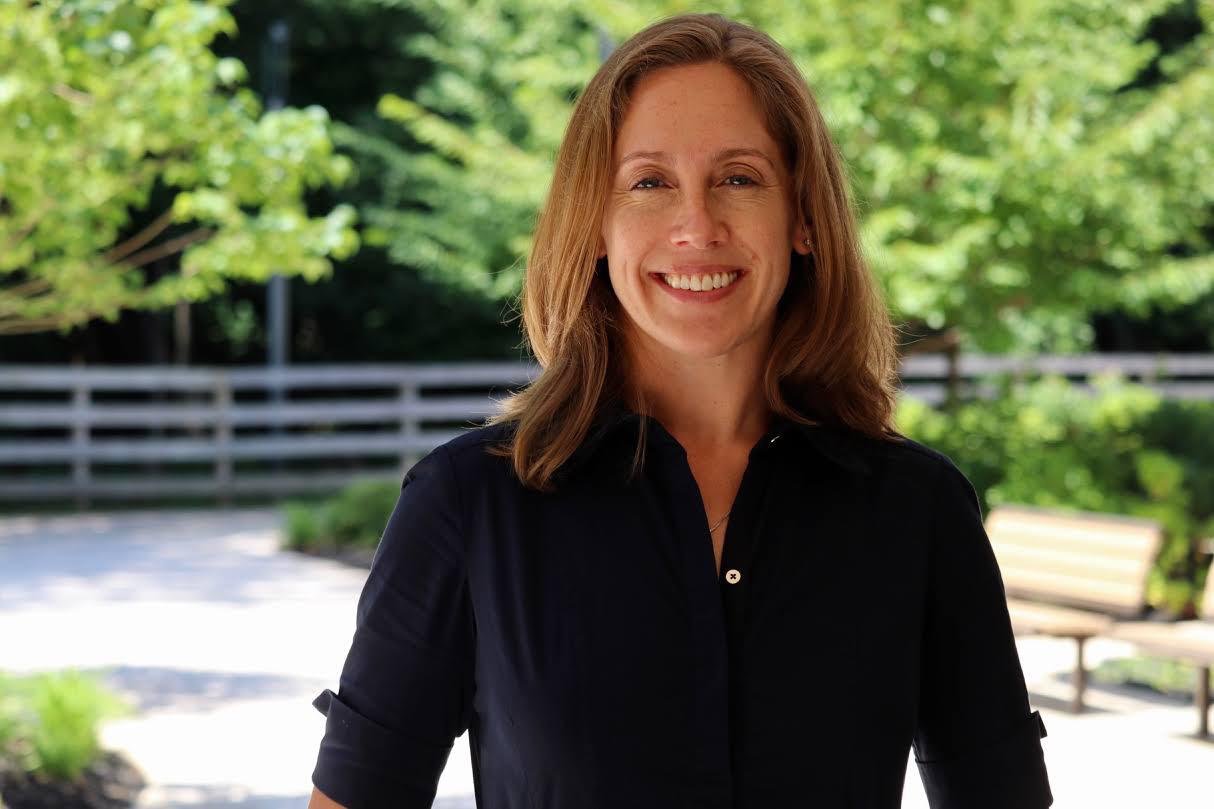
She added that there are few qualifications to become a member of the association. The association had been mostly made up of scholars, but now includes figures like activists and artists, Brown said. The association’s website lists Nidal Jboor, founder of the activist group Doctors Against Genocide, as a member, for example. Jboor, at a pro-Palestinian conference over the weekend, said the movement needed to “take out” and “neutralize” its “child murderer” opponents.
She said that the expanded membership can be a strength by bringing in a diversity of viewpoints, but also “opens the door for something like this to happen.”
“The appearance is that this was a unanimous vote on behalf of the entirety of the association. It was not, and they refused to have a transparent, critical discussion,” Brown said. “The leadership, in my opinion, had an agenda.”
The public, she said, is “going to see, ‘Genocide experts agree.’ No, we don’t, and we were deliberately silenced.”
Emily Sample, the association’s communications officer, rejected Brown’s account of the process.
Town hall discussions are not required by the association’s bylaws and have not happened for all resolutions, Sample said, adding that open discussions on the association’s list serve were too unwieldy to moderate and there were few requests from members for an open discussion about the resolution against Israel over its war with Hamas in Gaza.
“We felt, and the authors of the resolution felt that there was sufficient contextual information for all of the scholars in the community to make their own informed decision before the vote,” she said. “The space for discussion is through articles and other publications.”
Sample said the proportion of voting members — below 30% — was “pretty standard” and “represents a much larger percentage of the organization that did support this.”
The vote adhered to the association’s bylaws, which require a 20% quorum for a resolution, and, among that voting group, two-thirds support to pass, she said. The resolution passed with 86% support.
She confirmed that the association was open to non-scholars such as policymakers and civil society members who are interested in genocide, but said that, “We are not accepting large swaths of activists who are anti-Israel.”








The Times of Israel Community.